
More Than Talent
In tennis, talent gets you noticed—but preparation keeps you in the game. From juniors grinding it out on the practice courts to legends lifting trophies at Grand Slams, success is built on the hours, routines, and habits that happen away from the spotlight. Matches are unpredictable, but preparation ensures players can adapt and rise to the occasion.
Physical Preparation: Building a Reliable Body
One of the clearest markers of preparation in tennis is physical conditioning. Players face long rallies, brutal heat, and the demands of quick directional changes. Without a foundation of strength and endurance, even the most gifted shot-maker won’t survive a five-set battle.
That’s why top players invest so heavily in fitness. Cardio sessions to build stamina, strength training for explosive power, and yoga or stretching for injury prevention are all part of a regular routine. Recreational players can take note, too: preparation isn’t about copying elite workouts, but about making sure your body is ready for the demands of the court.
Mental Preparation: Staying Calm Under Pressure
Tennis is often described as a mental game, and for good reason. A single point can shift momentum, and the ability to stay composed under pressure is what separates contenders from champions.
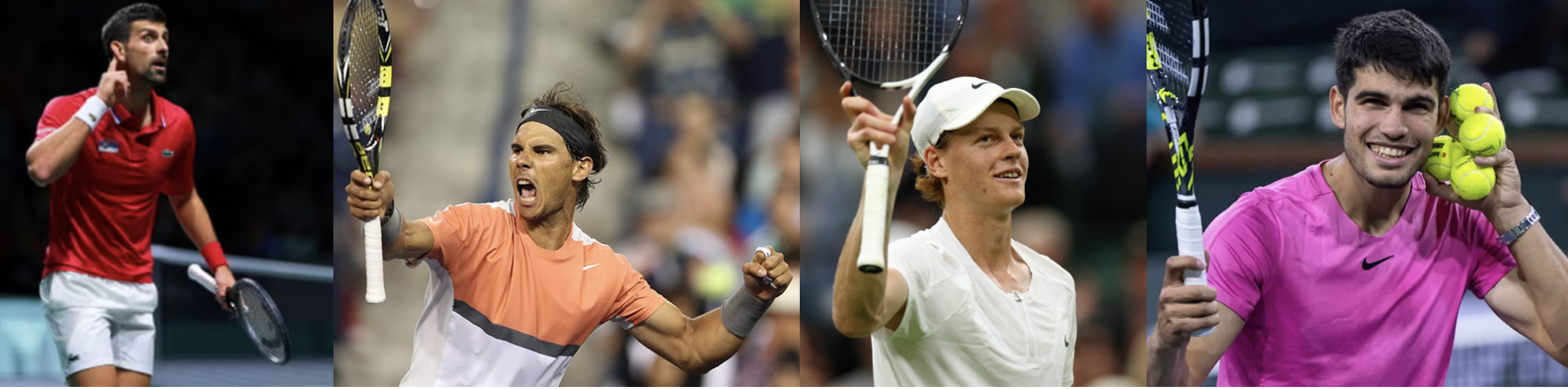
Visualization, meditation, and pre-match routines help players sharpen focus. Rafael Nadal’s meticulous rituals between points, or Novak Djokovic’s use of mindfulness, are examples of preparation turned into performance. For everyday players, mental readiness might be as simple as setting goals before a match or practicing breathing exercises during tense moments.
Tactical Preparation: Knowing the Opponent
Preparation also extends to strategy. On the professional tour, players and their teams spend hours studying match footage, analyzing tendencies, and mapping out game plans. Is the opponent weaker on the backhand? Do they serve and volley under pressure? Knowing these patterns in advance gives players the edge.
Even club-level competitors benefit from this mindset. Paying attention to opponents’ habits—where they like to serve, how they handle high balls—makes matches more tactical and less reactive. Preparation here means stepping on court with a plan rather than hoping instinct will carry you through.
Beyond the Court: Life Skills That Matter
What makes preparation so powerful is that its lessons extend beyond tennis. The discipline of showing up consistently, the resilience to bounce back after setbacks, and the foresight to anticipate challenges are skills that apply in every area of life.
Preparedness also includes being ready for the unexpected, both on and off the court. Just as players know an injury or sudden weather change can alter a match, everyday life presents its own surprises. That’s why many people choose to build practical skills that offer confidence in uncertain moments. For instance, completing First Aid Certification Nepean provides the kind of readiness that matters far beyond sport—equipping individuals to act in emergencies, support their communities, and carry the same quiet confidence we admire in athletes.
The Small Details Add Up
The art of preparation isn’t always glamorous. It’s in the countless hours spent hitting serves on an empty court, the recovery routines in hotel rooms after late-night matches, and the discipline to stay focused when no one is watching.
But those details add up. When players step onto a big stage, they’re not thinking about the sacrifices—they’re relying on them. That sense of trust in the work already done is what allows them to play freely and confidently.
What We Can Learn as Fans and Players
For fans, seeing the best in the world perform under pressure is inspiring. But there’s also a lesson in knowing that those moments are the result of deliberate, consistent preparation. For recreational players, preparation doesn’t need to mimic the pros—it can be as simple as arriving early to warm up, staying hydrated, or stretching after a match.
The takeaway is clear: preparation builds confidence. It allows us to handle pressure, to adapt to challenges, and to embrace opportunities—whether it’s on the tennis court or in everyday life.
Final Thoughts
In tennis, nothing is guaranteed. Matches twist and turn, opponents push back, and pressure mounts. The only constant players can rely on is their preparation. It’s the invisible foundation that supports every forehand winner, every tie-break comeback, and every moment of resilience.
And off the court, the same principle applies. Preparation in life—whether through fitness, mental resilience, or practical training—provides the confidence to face the unexpected. The art of preparation isn’t just for champions; it’s a lesson for all of us.
Leave a Reply