Sports and technology collide in various ways. Most of the recent advances have involved technology on the court or pitch, acting as backup to the umpires and referees. However, it’s also useful when it comes to training and performance. Two particular advances that work in tandem are simulators and analytics.
Tennis is a complex game where several skills and attributes play a role in gaining a competitive advantage. Virtual reality (VR) simulators and the analysis they provide can help coaches and players drill down into the details and make improvements. The result is a process that’s redefining match preparation.
What Are Virtual Reality Simulators?
VR simulators create immersive experiences through computer-generated environments. They typically require software that works alongside sensors, controllers and headsets. When combined, the user can interact with the virtual environment in a safe and realistic way.
They’re often used for skills development. The ability to program specific scenarios and repeat them ensures that players can practice in a way that replicates what they’ll experience on the court.
Virtual Tech for Analytics
The advantages of the virtual age are seen in other fields. For example, virtual macOS environments are used for beta software and compatibility testing. The safe environment is key, as it facilitates practice. However, it’s also about the data you can extract from the session.
Most simulators record what’s happening, either through video or the sensors. That data can then be analysed to offer insights and feedback. In sports like tennis, coaches and players can use that to work on specific areas and enhance performance.
The Benefits of Using Simulators for Enhanced Tennis Performance
Of course, players can already practice on the court and with partners as they warm up. Plus, they already get feedback from their coaches. However, the benefits of simulators and the analysis they provide go above and beyond that.
While there’s some financial outlay, the use of VR simulators seems to pay off. The ability to get granular and focus on specific attributes is crucial. Here are four ways that this preparation method makes a difference.
Immersive Environments for Scenario-based Practice
While practice is useful, sometimes it can’t quite live up to the pressure and atmosphere of a real match. A simulator can create an immersive environment, which includes similar distractions, tension and triggers that players will experience during a real game.

Most importantly, it allows players to rehearse specific scenarios where they can work on problem areas or skills where they can get the upper hand over a specific opponent. One study has shown improved dynamic balance in tennis players who use short VR training programs.
Video analysis for Real-time Feedback
The benefits also come from the video analysis. The data is available immediately after participating in the scenario. That allows the players to see the results for themselves and take on the real-time feedback.
Since the environment is so controlled, players can repeat the same scenario over and over again. Then, they can test different responses by incorporating the feedback in different ways. For example, they could adjust their foot position, racket angle or the power used to generate different results.
Accessible
Players will need some space and equipment to use the simulators. Besides those demands, it’s an accessible way to train. They don’t need access to a court and a partner. They could even start and end sessions with a coach, but take on most of the feedback by themselves.
It won’t replace traditional training. However, it’s an excellent way to work on specific areas and get high-quality feedback without needing too many other resources. When the two are combined, tennis players can get the most out of their game.
Data-Driven insights
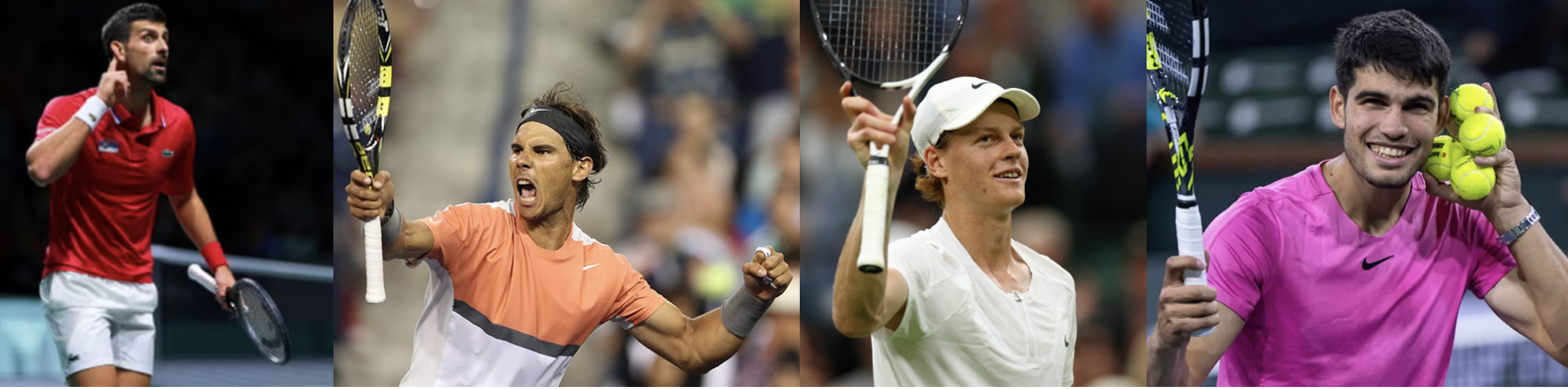
With events like the Six Kings Slam, competition has never been fiercer. Players will want to analyse their play and find ways to get the upper hand when playing specific opponents. Data-driven insights are a fantastic way to get the edge, as players can use the feedback and visualisations to focus on what went wrong and where they can do better.
Simulators are ideal for focusing on specific moves and practising tactical play. From dynamic balance and hand-eye coordination to decision making, identifying areas for improvement and seeing incremental gains is crucial.
Leave a Reply