
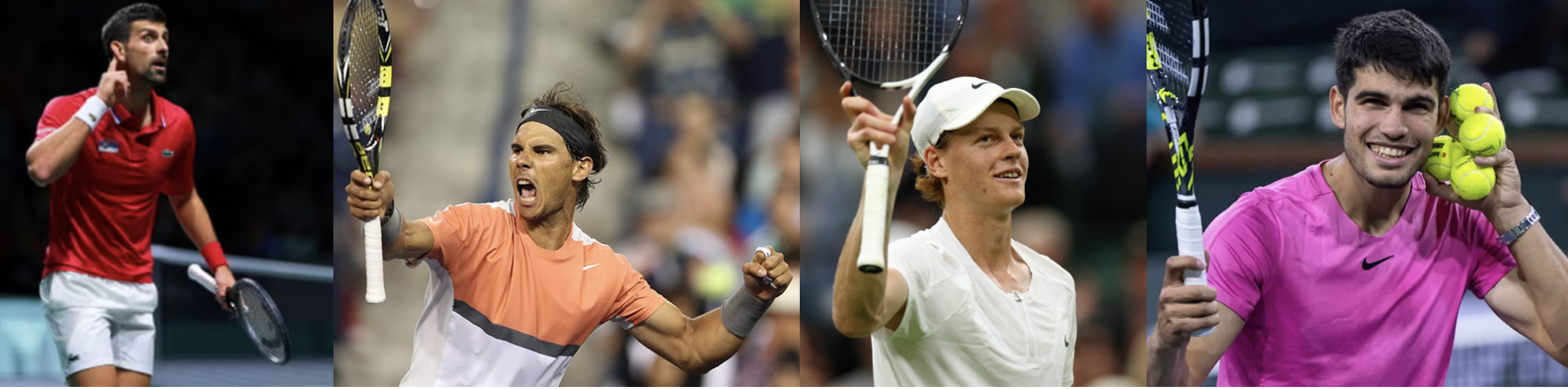

Every tennis match, from a neighborhood park duel to a Grand Slam final, is decided by tiny shifts in energy. One loose step, one mistimed toss, or one bold down-the-line winner can tilt the balance and snowball into a set-stealing run. Fans call these turning points “momentum,” but coaches prefer the phrase “micro-moments” because the swing can be measured in heartbeats, not games. Sports writers often compare these moments to casino games; in the world of slots, top casino in iceland offers the same hair-thin margin between thrill and disappointment that players feel before a decisive stroke, and, just like poker, the next card can turn everything around. Understanding how these brief sparks appear, grow, or vanish helps explain why an ace at 30-40 feels bigger than five straight holds. This article explores how micro-moments of momentum decide tennis matches and how players can learn to capture them before they drift to the other side of the net.
Reading the Ripple
When watching a rally unfold, small clues tell the tale of who owns the moment. A louder grunt, a quicker walk to the baseline, or a fist pump after a long exchange are all signs that a player’s belief bar is filling fast. Data analysts track first-serve percentage and return depth, but fans use feel. In Iceland, betting experts who follow veðmálasíður study the same cues to predict the next break point before the scoreboard changes. They know a player who grabs the towel with purpose is likely planning an aggressive play to keep the wave rolling.
Science backs them up. Researchers studying match footage frame by frame noticed an uptick in body speed right after a tight deuce game. The finding echoes the logic behind RTP top casino in iceland blackjack tables: the expected percentages shift only a little, yet that sliver is enough to flip profit or loss, win or defeat on the court.
The Serve: Launchpad for Momentum
Most micro-moments begin with the serve. A crisp first-serve sets a tone louder than the stadium speakers, while a second-serve double fault can hand momentum to the opponent like a wrapped gift. Coaches encourage players to treat every service point as a mini-chapter. The routine—bounce, breath, toss—works as a reset button; if the last rally went poorly, a steady ritual can stop the slide. Statistics bear this out. Players who land 65 percent of first serves win nearly three out of four points behind that shot. Drop below 55 percent, and the success rate falls by almost ten percent, a gap big enough to tip a set. Beyond raw numbers, the server’s body language sends a clear message. A higher toss or deeper knee bend signals confidence. The returner sees that signal and often moves back, surrendering the baseline before the ball is even struck. That tiny retreat is a micro-moment all by itself.
Return Games: Turning Defense into Attack
The returner builds momentum in different ways. Because the serve travels so fast, even a slight adjustment in position can spark a chain reaction. Stepping inside the baseline to take the ball early robs the server of time and sends a loud message: your weapon has been neutralized. After one successful aggressive return, the server may rush the next toss, leading to a fault or a slower delivery. That hesitation is the seed of a break. Micro-moments also appear through shot selection. A clever slice return that dips at the server’s feet forces a half-volley, setting up an easy pass and the roar of the crowd. Roars matter. Studies show crowd noise raises heart rates in both players, but the one who caused the cheer gets a surge of positive hormones. In junior matches without fans, players create their own roars—yells, fist pumps, or eye contact with teammates—to lock the new momentum in place.
Resetting After Momentum Loss
Momentum never stays forever. Even the greatest champions drop service games or miss easy volleys. What matters is the speed of the reset. The best players view a lost point the same way a writer treats a typo—fix it and move on. They use simple tricks that anyone can copy. One is the “strings check”: staring at the racket face and pretending to adjust a string. The act lasts three seconds, slows breathing, and blocks the eyes from the opponent’s swagger. Another tool is the bounce walk. By bouncing the ball while walking to the baseline, a player creates a steady rhythm that pushes negative thoughts aside. Coaches also advise picking a clear tactical goal for the next rally, such as “hit high to the backhand.” A single, focused command keeps the mind from replaying the error. Each of these small habits can stop momentum from sliding into a long, match-ending slump. From juniors to pros, anyone can practice these resets between points and watch confidence return, point by point.
Leave a Reply