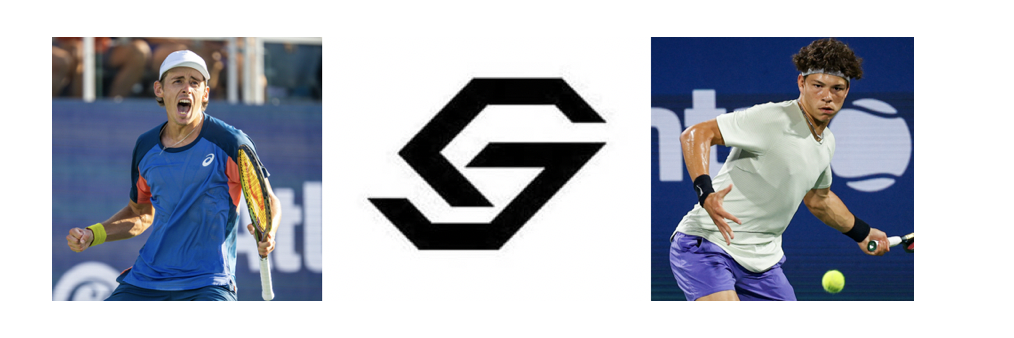
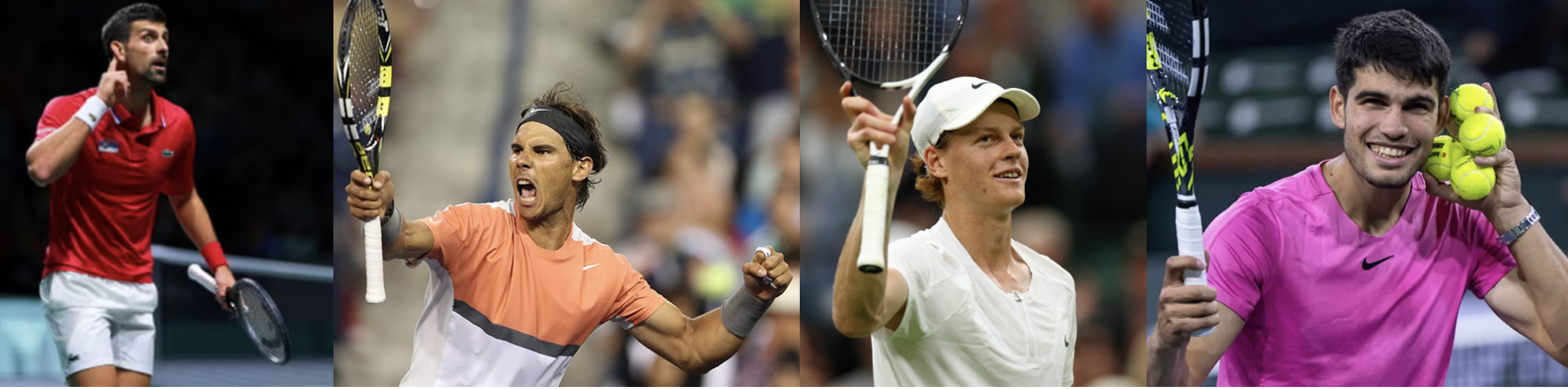

The men’s U.S. Open 2025 is entering its decisive stages, with the biggest names still in contention and betting markets shifting each round. Jannik Sinner, Carlos Alcaraz, Novak Djokovic, and other stars continue to shape the outright board, bringing form, surface strengths, and tactical depth. Held at Flushing Meadows in New York, the tournament has already produced momentum swings and betting shifts.
For bettors, this phase offers more clarity than chaos. Player patterns are clearer, matchups less speculative, and court conditions no longer a mystery. Understanding how markets react to playing styles, injuries, and live-game flow is key. This guide highlights the most important angles for wagering during the back half of the men’s draw.
Understand Player Match Styles Before You Bet
Deeper into the tournament, matchups are defined by contrast rather than seeding. That distinction often drives outcomes. Jannik Sinner’s game is built on low-margin, early-strike hitting, particularly effective against timing-based players who prefer longer rallies.
Carlos Alcaraz thrives on variety. Against durable returners, he leans on his mix of spins and sudden directional changes. His best matchups come against players who struggle to reset quickly between exchanges, which is useful when evaluating set totals or betting on set spreads.
Novak Djokovic’s strength lies in maintaining match rhythm, often carrying over from previous head-to-heads. This shows up in prop bets like “first set to love” or “player to win first two sets,” where his consistency becomes a deciding factor.
Go Beyond Moneylines with Prop Markets
As favorites become more predictable, value often shifts toward prop bets. Many bettors now look at set scorelines, tiebreak props, or even player ace totals to gain an edge.
Most platforms provide these markets, but odds on FanDuel are often among the first to reflect public sentiment, especially in high-profile matches. That makes it useful for spotting early value or sharp movement before lines settle.
For instance, if Alcaraz is expected to win but not dominate, a wager like “Alcaraz to win in 4 sets” might offer stronger value than a straight moneyline. Similarly, Djokovic to win the first set by a 6–3 margin could yield a higher return with minimal risk. Even niche bets like over/under double faults or total aces can produce upside, especially in matches featuring big servers or high-pressure scenarios.
Court Speed and Surface Conditions Matter
This year’s U.S. Open surface has favored flatter hitters and players comfortable redirecting pace. The courts have played slightly faster than usual, rewarding aggressive footwork and short-point construction. Sinner and Fritz are two names that benefit significantly from this shift.
In contrast, players like Musetti or de Minaur depend on grinding and constructing deeper points. On these quicker courts, they’re more likely to be stretched on serve and forced into defensive positions early. This matters for over/under bets, especially when anticipating match length.
If looking at total games or alternate spread markets, focus on how players perform when rushed. Those with high rally tolerance but weak second serves may stay close in sets but struggle to win them outright – ideal setups for “over 10.5 games in set 1” or “match to feature tiebreak.”
Live Betting Signals to Watch
Late-stage matches present rich opportunities for live wagering, especially as momentum shifts between sets. One of the most telling signs is how easily a player holds in their first two service games. A low first-serve percentage or repeated second serves early can indicate hesitation, giving bettors an early signal before books adjust.
Break-point conversion also creates opportunity. If a player creates five chances in one game but converts none, books often hold their price. But sharp bettors see the pressure trend and anticipate a break next game. That’s where betting ahead of the line shift becomes valuable.
Conditioning plays a subtle but crucial role. Players coming off five-set matches tend to fade in longer second sets. Watch for signs like longer towel breaks, slower changeovers, or reduced first-serve speed. These signals inform markets like “Next Set Winner” or “Set 3 Total Games Over.”
Read Between the Lines on Injury Reports
Official injury updates are rare in tennis, but the betting market reacts quickly to visual signs. If a player takes a medical timeout or skips practice ahead of a match, odds shift fast. Using tournament coverage and the latest tennis news gives bettors an early edge before lines move.
Even minor details, like taped wrists, a dip in serve speed during warmups, or a limp after a match—can be telling. For wagers on overs or correct scorelines, spotting these fitness clues can help avoid backing a player who might retire or run out of gas late. One overlooked tip: if you suspect an injury but still expect a player to start strong, consider backing them in Set 1 only, or in early games, before the physical toll becomes evident.
Strategic Timing as the Tournament Narrows
By this stage of the U.S. Open, outright boards are efficient and lines are sharper. Books rely more heavily on in-tournament metrics and less on ATP or head-to-head rankings. Bettors need to factor in court type, match momentum, and previous round effort when finding angles.
Even if odds are no longer wide, there’s still value in specific setups. A player who won their last match in four sets with a tiebreak may still be undervalued if their performance stats were superior. On the other hand, a straight-sets win hiding low service hold percentages might present fade potential.
Whether you’re leaning on match totals, set-specific props, or live hedging opportunities, focus on match flow and physical indicators. At this stage of the U.S. Open, smart timing and attention to detail provide the clearest edge.
*Content reflects information available as of 02/09/2025; subject to change.
Leave a Reply