
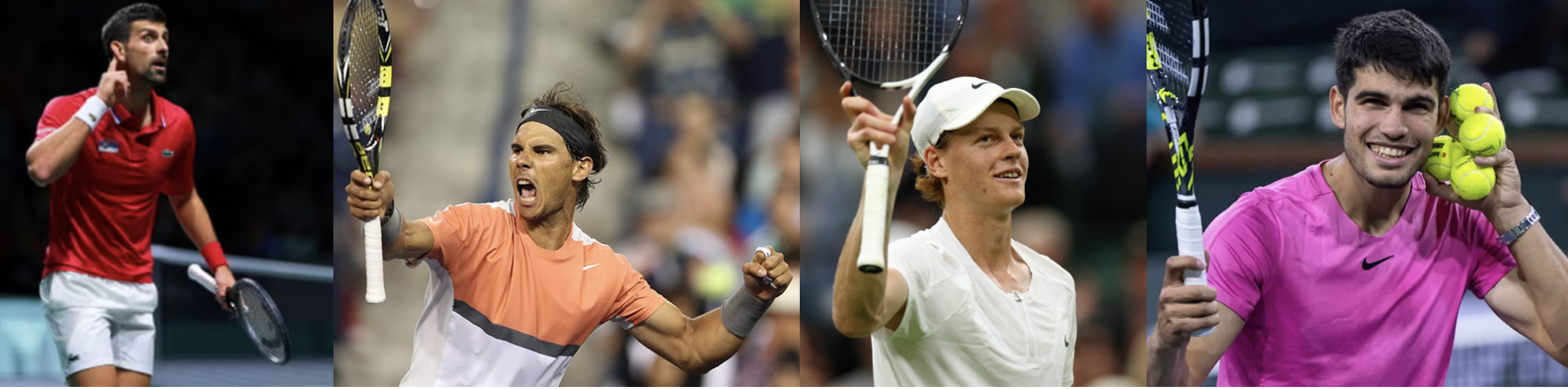

Most tennis players know they should “have a routine,” but few understand what to do in the 20–25 seconds between points—or why it works. The between-point window is a psychological reset that, when used properly, helps players stay at the top of their game, so getting this right is important. Instead of guessing or simply copying rituals from the pros, we can build a routine using proven components that improve serve precision, composure, and decision-making.
The Two-Phase Model: Green and Yellow
USTA coaching frameworks and tennis psychology researchers often describe the between-point routine tennis process in two phases. In the Green Phase (first 8–10 seconds), you turn away from the baseline, release tension, and take a slow inhale, followed by an extended exhale. Controlled breathing helps reduce arousal and sharpen attention, allowing your brain to detach emotionally from the previous point.
Then comes the Yellow Phase (next 10–15 seconds), where you prepare with intention. Instructional self-talk—short, directive cue words like “lift” or “snap”—has been proven in meta-analyses to improve motor execution, especially in technical skills. Tennis studies also show that success imagery (picturing the target or ball flight) improves precision after errors. These are not rituals; they are functional tools backed by science.
A Clean Reset: Why Tennis and Card Games Use the Same Mental Process
The real power of a between-point routine in tennis is not just calming down—it is preventing one mistake from turning into three. Sports psychologists call this a decision loop: release, refocus, commit. Without that reset, players spiral, chase points, and lose tactical awareness.
The same pattern appears in mentally demanding card games where pressure, uncertainty, and momentum swings can trigger emotional decisions. Yes, there’s no physical game going on here, but the mental challenge is just as significant, and the need for a reset is just as keen.
Experienced players on Australian platforms like Ignition Gaming know that after a tough hand, the worst thing they can do is act immediately, while they’re still processing their emotions. Instead, they pause, control their breathing, review what just happened, and then start to think about their next move.
That reset is identical to tennis: step back, breathe, reframe, act. Whether it is a baseline rally or a long card session, performance drops when emotion leads and routine disappears. If you’re playing a game at ignitiongaming.net/au/, don’t dismiss the value of this reset moment; it might feel insignificant in the overall gaming journey, but it’s critical to making good decisions and playing at the top of your ability.
Similarly, if you’re taking up any physical sport, be that tennis, football, or anything else, allow yourself minor resets during the game, especially after a tough or high-energy moment.
What Stunts Teach Tennis Players About Focus
To understand why between-point routines work, it helps to look at other high-pressure environments and how athletes handle them. In the “All In” episode featuring Australian stuntwoman Bridget Burt, she talks about the challenges she faces in doing stunt work and the kind of commitment it takes to operate at this level. A big element of this is the mental focus and the ability to reset after a challenging moment.
That mirrors the Green and Yellow phases in tennis. Indeed, athletes in all kinds of different areas will recognize just how important pausing, refreshing, and resuming can be, even when you’re winning.
Ritual vs Routine: Know the Difference
A ritual is comforting but doesn’t affect performance. A routine has a clear function. Bouncing the ball three times helps only if it sets the rhythm or timing. Serve routine research shows that players with structured, purposeful sequences have fewer double faults because their brains lock into motor patterns faster. Intention is the difference between habit and advantage.
How to Build a Tennis Pre-Performance Routine in Four Steps
1. Clear the previous point (Green Phase start)
Turn away. Release the tension. Use a long exhale to reset your nervous system.
2. Reset posture
Stand tall. Posture influences confidence and attention—slumping reduces readiness.
3. Use instructional self-talk
Short directive words guide action better than hype. “Legs,” “early,” or “shape” outperform “come on.”
4. Activate imagery
Picture one specific target. Motor imagery primes the brain, especially after mistakes.
Try-It-Tonight Drill
Play a practice set. After each point, pause for 10 seconds to breathe, stand tall, and use one cue. Don’t rush—you’re training mental timing.
Advanced Layer: Pressure Simulation
Once the above has become automatic, add stress to your routine. Start games at 30–40 or have a partner call surprise score changes. The test: can you stay anchored? Pros don’t stay calm by accident. Their routine absorbs pressure.
Troubleshooting Common Errors
- Too long: Stay within 20–25 seconds. Pros follow a 25-second shot clock.
- Too emotional: Pump-up talk belongs after the point, not during your preparation.
- Too random: Repetition builds consistency.
Why This Matters in Match Play
Routines prevent frustration from bleeding into the next point. They also support tactical adjustment—if returns keep sailing long, the Yellow Phase is where you reset intention. Without structure, momentum swings feel uncontrollable. With structure, every point starts fresh.
Takeaways
A tennis pre-performance routine is a science-backed system, not a superstition. Use breathing to down-regulate, posture to project confidence, cue words to guide execution, and imagery to set intention. Borrow concepts from stunt work, serve research, and decision-heavy card games. Build it step by step. When pressure rises, the routine—not emotion—should take control.
Leave a Reply