
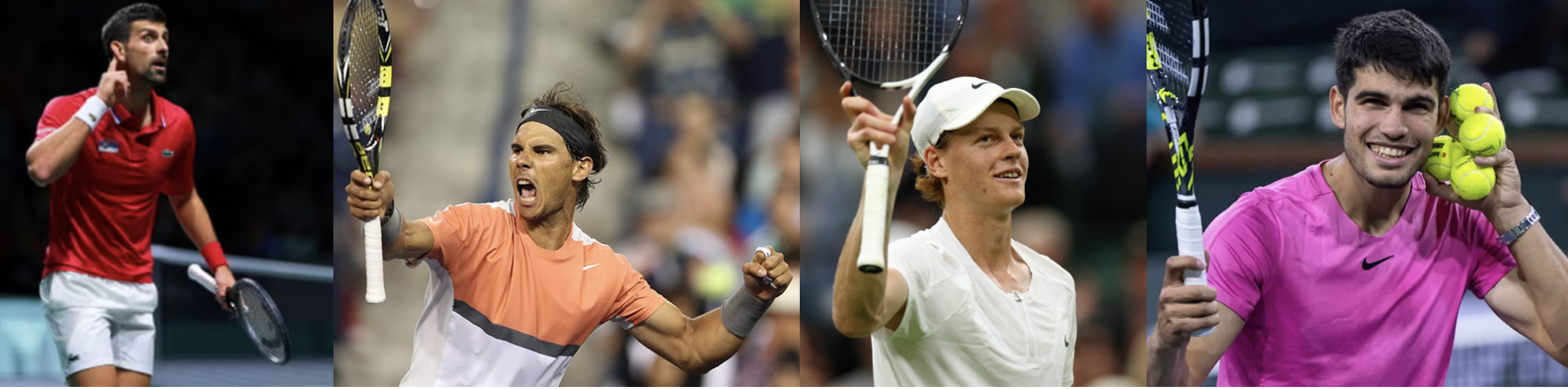

Artificial intelligence is the silent analyst of every professional team, which never sleeps. AI is transforming competition into a game of possibilities, leading to a reduction in injuries. Algorithms analyze all passes, sprints, and patterns to predict who is likely to win —and why. It is no longer a game to fans and bettors; it is moving data. The future of triumph has its quantifiable quantification.
Data as the New Playbook
The role of AI in sports does not cease with the teams, as it can be applied to the way fans interact with information-driven entertainment. Analytical games resembling sport strategy are studied by many fans, e.g., the online casino game Bangladesh, where algorithmic fairness and real time statistics provide a transparent skill-based game.
For users who prefer practical tools that blend live sports with technology, the Melbet download platform is a solid choice. It offers a seamless experience for tracking odds, viewing predictions, and running AI-powered forecasts simultaneously. It is not merely a matter of betting, but also about understanding performance trends through intelligent data visualization.
These illustrations highlight how AI will convert unstructured data into an interactive understanding, enabling fans to be part of the same analytical reasoning process that drives professional strategy.

Real-Time Decision Making
Matches in the modern world are too dynamic and cannot be analyzed in a delayed manner. AI is now a live strategist, which takes video, tracker information, and player statistics in real time. This is how it is happening in reality:
- Tactical recalibration: with the help of information about the positioning of players, their spacing, and their energy levels, AI suggests accurate in-game changes in seconds.
- Performance alerts: performance sensors detect any sharp decreases in intensity or movement.
- More intelligent commentary: real-time models work out the goal or turnover probabilities.
Matches are transformed into ecosystems of live data with the help of AI. All plays are feedback, all moments are occasions to make teams respond quicker than ever.
Predictive Power in Action
AI is not reactive; it is proactive. It utilizes past and present data, such as weather, opponent actions, and injury history, to predict the future. This capability transforms the planning process for coaches and the interaction between fans and sports, making prediction itself a form of entertainment.
Machine Learning in Match Forecasts
Machine learning models process seasons of matches, trying out thousands of combinations to predict the outcome of games. They consider such factors as the fitness of the players, the changes in the tactics, and even the tendencies of the referee to provide the win probability. These models are applied in the simulation of complete tournaments by elite football clubs and bookmakers even before the first whistle.
This predictive modeling also identifies black swan events – unexpected outcomes or results that yield surprising consequences. AI does not claim to know something, but it provides probability ranges that sharpen human judgment. It turns a hunch into risk-taking that is informed, and the difference between strategy and outcome is reduced.

Fan and Betting Applications
Predictive features for fans imply the personalization of experience beyond scorecards. Sites are personalized to provide recommendations, presenting betting lines or live statistics, and are tailored to the user’s interests. Interaction patterns monitored by the algorithms used in these systems are smarter when it comes to updating odds.
The sportsbooks apply the same models to strike a balance between risk and fair play. They have dynamic odds that determine the odds based on predicting the momentum of players or market changes, and are updated each time a player plays. To bettors, this would mean faster information, reduced surprises, and confidence in any bet based on the data.
Ethics and Limitations
There is a limit to the predictive capacity of AI. It is dependent on the quality of data it ingests, and biased inputs may give biased outputs. When these systems have an impact on player assessment or betting lines, then transparency is crucial.
Another important challenge is privacy issues. The frequency with which athletes are constantly monitored distorts the distinction between performance monitoring and surveillance. To achieve this, sports organizations should ensure that innovation does not compromise integrity and personal rights – a fine line between technology and trust.
The Future of Intelligent Sports
AI is not going to unite coaches, players, or fans; it will make them understand the game better. The use of predictions will be a part of pre-match strategy, as well as live analysis, as the models will be smarter and more context-focused. The next generation of sports will not be a matter of chance or intuition; it will be about humans utilizing smart systems to become smarter and win.
Leave a Reply