In 2018, the lawns of Wimbledon are once again generating their usual tingles of expectation across the sporting world and wider world. This marks the second year in which the grass schedule has been slightly different, with three weeks between the end of the French Open and the start of the season’s third slam.
This extension may seem like a simple thing but in the highly ordered and massively moneyed world of global sport, with each event and tournament fighting for optimum exposure and a privileged place in the overstretched schedule. It took years of work for the game’s powers-that-be to agree on this one shift.
The shift and extension is also an exciting and timely metaphor for another behind-the-scenes shift that has been happening in many sports and particularly in tennis. This is the shift and extension of body care and recovery science and technology, leading to much longer, older athletes having great careers. In the same way the elite players of sport have seen the long term importance of preservation and shelf life extension, so have tournaments had to adapt their schedules to facilitate something that world standard athletes have come to demand.
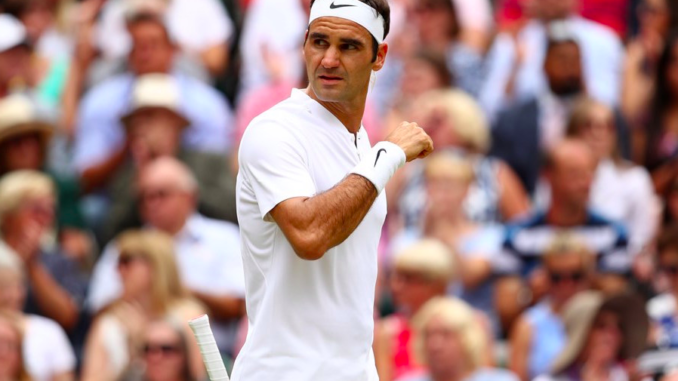
Roger Federer is enjoying a proverbial second chapter of his career that nobody would have predicted. At present he is bookies favorite to lift the Wimbledon trophy on the hallowed Wimbledon lawns at 13/8. Having had a career of winning slam after slam for a whole decade and establishing himself as undoubtedly the greatest player in the history of tennis, he then spent four years in what for him must have felt like the wilderness, even though it was a career many professionals would have looked back on with pride. He had a four year stretch where his average achievement was getting to the semi finals, he did reach three finals but he never won a slam. Time and again younger, stronger and seemingly fitter rivals were beating him. But he turned that around 18 months ago and won three more slams, how did he do it?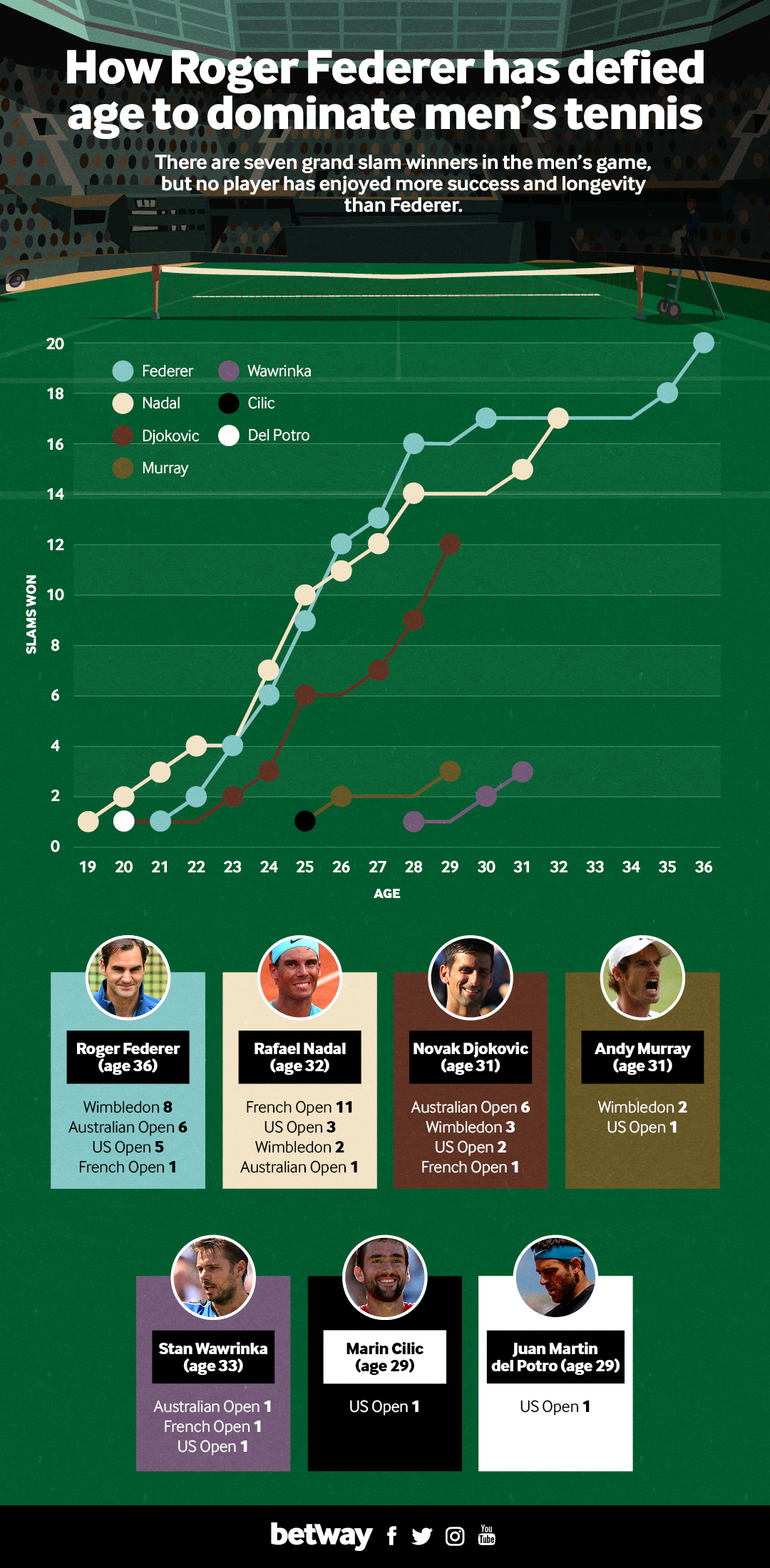
The seeds of Federer’s longevity are not just his use of cutting edge techniques and technologies, but the clever way in which his game is built. Because he was an offensive player, he always ended up running fewer miles than his opponents, even if he ended up losing (which, during his imperial phase, was very seldom). His backhand was either a low impact slice, or, to terminate a rally he would release the slight flick of his wrist to come over the ball and leave a rival stranded and red-faced at the baseline.
As Federer’s pristine soles tread on the immaculate grass at precisely 2 p.m. this coming Monday, no one will be thinking of these cutting-edge, behind-the-scenes dynamics, but they will be of vital importance as Federer starts after the five-minute warm up, to wield his magic wand of a racket.
[polldaddy poll=10042978]
Leave a Reply