
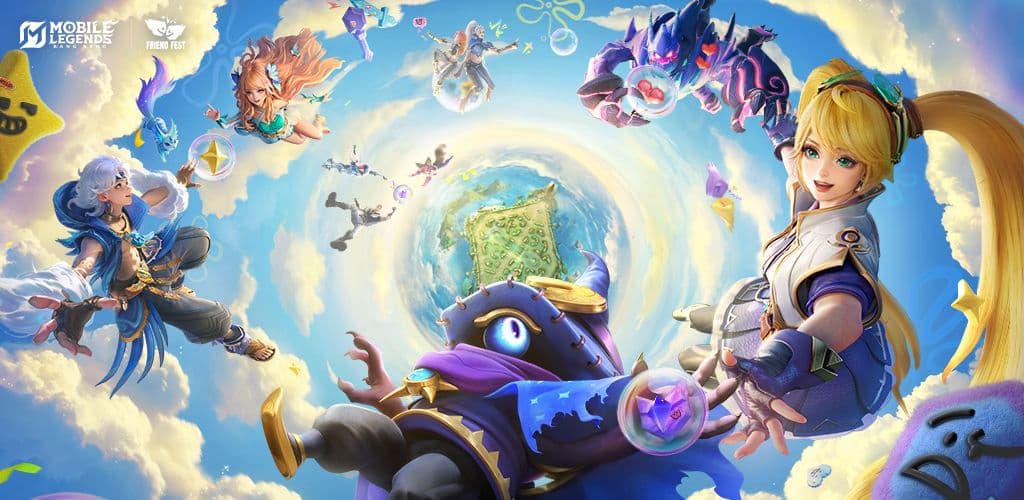
MLBB is a MOBA that can be easily played on smartphones. MOBAs focus on the objective of teams of players across a symmetrical map, the primary target being the enemy base. The only access requirement for playing MLBB is a phone. Myanmar has a large population owning smart devices with needful accessories like earphones and chargers. The telcos also made it easy for players to download the game.
MLBB was also perfectly suited to the competitive template that had worked in Myanmar with earlier PC games. Finally, ByteDance threw massive cash prizes and investment at MOBA tournaments. Crucially, there were no unforeseen circumstances “next-big-thing” hits with potential to divert attention towards another game. These factors combined to make MLBB the only game in town.
Esports fans in 2026 actively follow competitions through platforms like the Melbet app download, placing bets, and simply having fun. They all understand that the MLBB scene in Myanmar, although smaller than in Indonesia or the Philippines, produces teams and players who compete well at the regional level. We suggest learning more about this later in the article.

Technical Accessibility
Myanmar’s mobile internet infrastructure grew at breakneck speed after liberalization of the telecom sector in 2014. Bandwidth and device quality are still constraints for much of the population, but MLBB was designed from the outset to be close to the technological floor. It is not dependent on cutting-edge capabilities likely to be present in only the latest phones in a country where the average data connection is 3G and Wi-Fi is not always an option.
These specifications matter in a market where the average smartphone is mid-range at best and mobile data plans are measured in daily or weekly packages. A game that requires high-end hardware or stable broadband excludes the majority of potential players. MLBB excludes almost nobody.
Cultural and Social Fit
Gaming is a social activity in Myanmar where people play together, physically together by being in tea shops or in a group, not locked in a room alone. This team-based format perfectly suits MLBB as 5 friends can form a squad, communicate verbally in person, and play matches together in their free time. The ranked system gives motivation. Starting from Warrior and ending in Mythic, they have to play hundreds of matches to climb up. So, it gives a sense of progression, and the social status of your friends and local community is also related to your rank.
There are many esports fans in Myanmar. They actively follow various events and support players. Incidentally, this can be done on the Mel Bet website, where all esports disciplines are available for betting. It’s also worth noting that Myanmar attracts a significant number of online viewers compared to the country’s internet population. Organized at the village level, tournaments with small cash prizes or phone gifts serve as the basis for developing a competitive spirit among the masses.
Regional Competition Framework
By design, MyGames attempted to replicate that exact scenario in the hopes that a successful esports would provide a self-sustaining anchor around which to build the other esports bodies. MLBB was chosen because the mobile ecosystem opened up.
Players in Myanmar can use devices they likely own. The game is available through stores that most can access. Data coverage is expanding across the country, and it costs little to nothing for players to join. Thus, access constraints were virtually zero.
Economic Factors
Professional MLBB in Southeast Asia generates income through tournament prize pools, team sponsorship, content creation, and streaming. While the financial scale in Myanmar is smaller than in the Philippines or Indonesia, the opportunity exists. The economic ecosystem around MLBB in Myanmar includes several layers:
- tournament prize pools at the local and national level, ranging from modest cash prizes to sponsored equipment;
- streaming revenue through Facebook Gaming, YouTube, and TikTok for players who build audiences;
- team sponsorship from telecommunications companies, phone brands, and consumer electronics retailers;
- coaching and boosting services where experienced players charge fees to help others improve or climb ranks.
For young people in Myanmar with limited formal employment opportunities, competitive MLBB represents a potential income source that requires no formal education, no startup capital, and no geographic relocation.
Why Other Titles Did Not Displace MLBB
PUBG Mobile arrived on the market first, and was soon joined by Free Fire’s release in September 2017. Free Fire set out with a lower device specification optimization, smaller app size, and quicker battle-royale matches tailored for the entry-level and older devices, where MLBB had found its niche. That left PUBG Mobile sandboxing the two as it found its own role in the Myanmar market.
PUBG Mobile was the last to launch, forcing the hands of PUBG Corp somewhat as others stumbled to adapt to the true amount of Myanmarese players with lower-grade smartphones. Fortnite itself ignored this demographic, while PUBG Mobile gave in and optimized the battery life and hardware requirements of MOBAs, which were the cornerstone MLBB leveraged when it ported across.
Leave a Reply