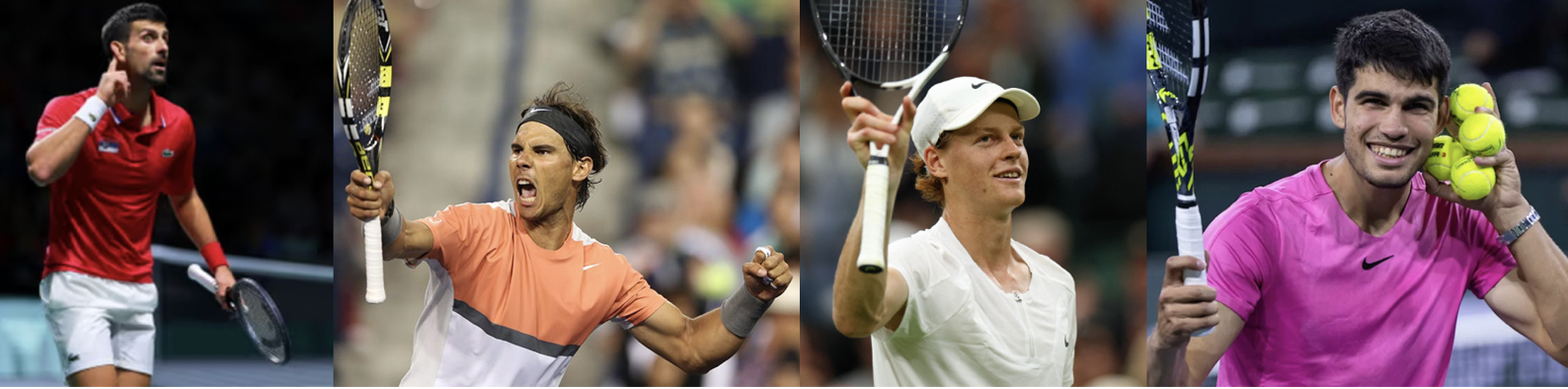

Young players are becoming an increasingly important force in professional tennis. In 2026, promising talents are no longer simply challenging established stars. They are competing confidently for titles at major tournaments. Carlos Alcaraz, Jannik Sinner, and other young players show how important endurance, speed, and adaptability have become. At the same time, their success raises questions about whether experienced champions can continue to hold their positions at the top.
The Role of Physical Fitness in Modern Tennis
Advances in training methods have had a major impact on the performance of the younger generation. Today, training programs take a comprehensive approach to developing physical strength, endurance, coordination, and reaction speed.
This preparation helps young athletes handle intense physical demands, even during long matches. They can reach difficult shots, change positions quickly, and take control of rallies after defending.
For older players, carefully planning rest and recovery becomes an additional challenge. With busy ATP and WTA tournament schedules, maintaining good physical condition directly affects their ability to deliver consistent performances.
Alcaraz and Sinner as Leaders of a New Tennis Era
Carlos Alcaraz and Jannik Sinner are among the most prominent players of the new generation. Their success comes from combining powerful shots, excellent movement, and the ability to adjust their game in response to their opponents.
Alcaraz uses a wide range of attacking techniques, including drop shots and aggressive net play. Sinner prefers accurate, powerful shots from the baseline while maintaining consistency throughout rallies.
Matches between these two players show how the younger generation is gradually shaping competition at the highest level of tennis.
How Modern Technology Helps Tennis Players Improve
Professional tennis players increasingly rely on digital tools when preparing for competition. Coaching teams study match recordings, analyze shot statistics, and use specialized software to evaluate their future opponents.
The information they collect helps players identify weaknesses in their own game, find gaps in their opponents’ tactics, and plan their upcoming matches more effectively.
This data-driven approach isn’t limited to professional sports. Similar analytical methods are used across digital industries, where everything from player performance statistics to an online casino rating relies on evaluating multiple factors rather than making decisions based on first impressions.
For many young athletes, working with analytics begins during their junior careers. However, veteran players have access to the same tools. Simply having advanced technology does not guarantee an advantage if a player cannot use the information effectively during a match.
Why Experienced Tennis Players Remain Competitive
Although younger tennis players are achieving strong results more frequently, years of experience still matter. Novak Djokovic is an example of how smart tactical decisions, mental resilience, and the ability to control the pace of play can help experienced athletes compete against faster opponents.
These advantages become especially important during tense moments at major tournaments. In such situations, staying calm and focused can matter more than moving quickly around the court.
Therefore, the rise of younger players does not mean that established champions can no longer continue competing at a high level.
The Future of Professional Tennis in 2026
In 2026, the competition between young talents and experienced players remains an important part of professional tennis. The younger generation focuses on fast-paced play, aggressive attacks, and varied tactical approaches. Older players respond with skills developed over years of competition and the ability to perform under pressure.
Future success will depend on more than the physical abilities associated with age. Players will also need to be willing to change their approach and continue improving their skills. Finding the right balance between effective training, analytical tools, and smart tactics will help athletes remain competitive at the highest level.
Leave a Reply