
Every tennis broadcast loves a big serve. The radar gun flashes, the crowd gasps, the commentator repeats the number twice for effect. But ask any player who has actually won a Grand Slam and they will tell you something different. Matches are rarely lost on serve. They are lost on return. It is the shot with no fanfare and no highlight reel, yet it decides more matches than any ace ever could.
The Shot Nobody Applauds
A serve is a solo performance. A return is a reaction, built in a fraction of a second, against a ball that might be arriving at 130 miles per hour with heavy kick or slice. There is no equivalent moment of individual glory for a great return. Nobody replays a return in slow motion the way they replay a serve. And yet it is the return that starts the neutralizing process, turning a server’s advantage into a fifty-fifty rally, and eventually into a break point.
What the Numbers Actually Show
The ATP’s own return statistics tell a quiet but consistent story. Players who convert break points at a high rate, and who consistently push return games above tour average, tend to have long, durable careers rather than short bursts of brilliance. Return quality does not fade the way raw serve speed sometimes does with age. It relies on anticipation, footwork, and reading patterns, all skills that can actually sharpen over the years rather than decline.
The Returners Rewriting the Rulebook
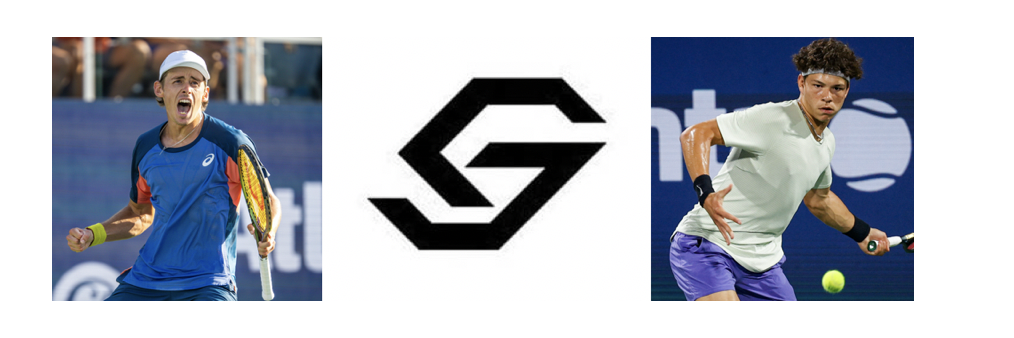
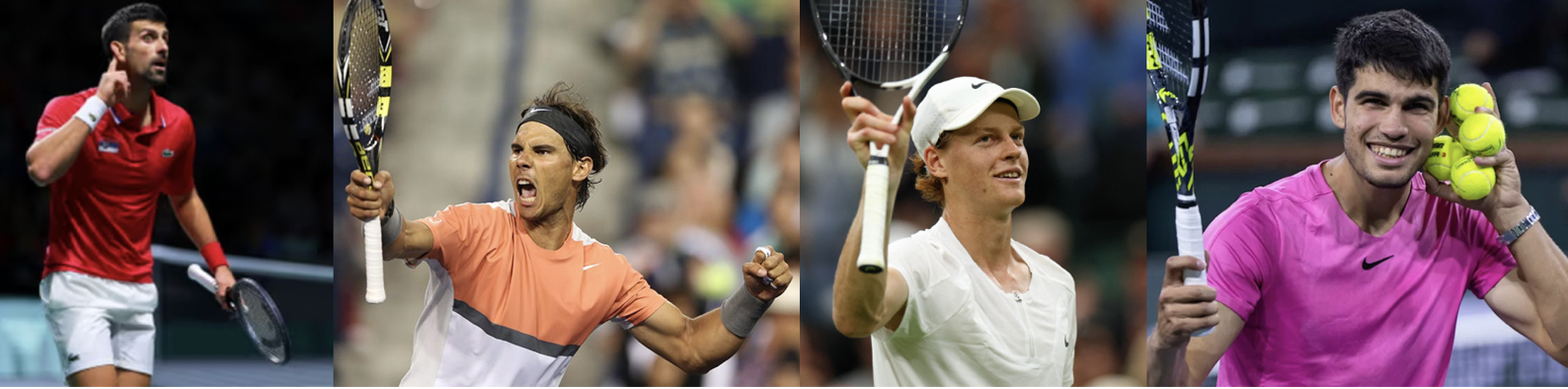
Alex de Minaur has built an entire career around this shot. He is not the biggest server on tour, but his court coverage and break point conversion make him one of the hardest players to hold serve against. Novak Djokovic remains the standard for return depth and accuracy even deep into his career, absorbing pace that would trouble players half his age. Daniil Medvedev plays from far behind the baseline and turns that extra time into a weapon, resetting rallies that most players would simply lose. Carlos Alcaraz takes a more aggressive route, stepping inside the baseline and converting returns into first strikes rather than defensive shots. Four completely different methods, all built around the same underrated shot.
Why Return Quality Predicts Matches Better Than Rankings
Rankings measure results over a full season. Return stats measure something more specific, which is how a player actually performs under direct pressure, point by point. Two players can carry similar rankings and still have very different return profiles, and that difference often explains upsets that look surprising on paper but make complete sense once you look at the return numbers. For fans who like to read a matchup a little deeper than the seedings allow, this is where the real insight lives. It is also the kind of detail that turns a casual prediction into an informed one, and for anyone who enjoys testing that instinct, using sportsbook canada gives you a simple way to act on it once the next tournament rolls around.
The Next Time You Watch
Next time you are watching a match, try looking away from the server for a moment. Watch the returner instead. Watch the split step, the read, the adjustment mid-flight. That is where most matches are actually decided, quietly, point after point, long before the scoreboard notices. Who do you think has the best return game on tour right now? That is a debate worth having in the comments.
Joker and the great andy Murray. Coco, swiatek, and sabalenka on women’s side