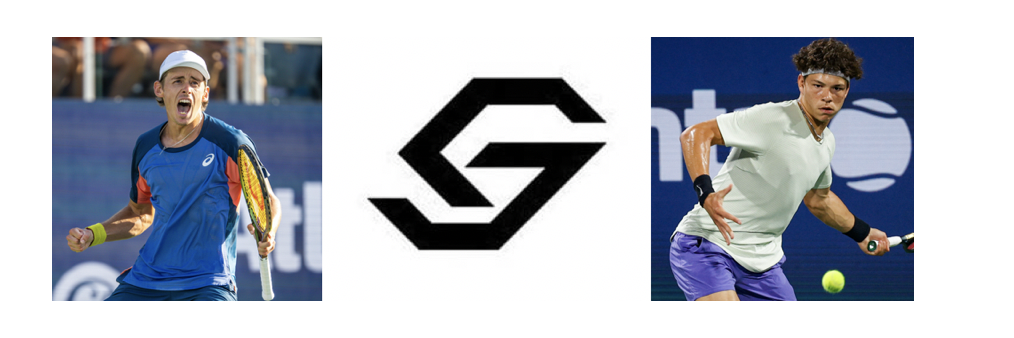


A good tennis preview usually starts with visible evidence: surface, recent form, serve numbers, movement, fatigue, matchup history and tournament context. The reader is asked to weigh conditions, not chase excitement. That same disciplined habit can help Canadian players read online casino content more carefully, even though casino games work very differently from sport.
In Canada, the conversation around online casino play depends heavily on location, regulation and personal limits. A reader may compare platform information, payment rules, game categories and neutral resources such as stake, but the first question should stay practical: what does the player actually understand before opening an account or choosing a game?
The comparison with tennis is useful because it slows the process down. A match preview rewards patience. Casino odds require the same patience, but with a different conclusion: no amount of player confidence can turn random outcomes into predictable ones.
Why tennis analysis is a useful starting point
Tennis is one of the cleanest sports for structured analysis. Two players stand across from each other. Surface changes matter. Serve quality matters. Physical rhythm matters. A preview can explain why a powerful indoor player may look different on clay, or why a long three-set match two days earlier may affect movement in the next round.
That logic trains readers to ask good questions. What is the context? What information is reliable? Which factors matter most? Where is the uncertainty?
Online casino play needs that same questioning habit, but the answers are not the same. In sport, analysis can improve understanding of the contest. In casino games, understanding can improve decision-making, but it does not remove the built-in uncertainty of the game.
That distinction is essential for Canadian readers. Sports previews may encourage interpretation. Casino content should encourage boundaries.
What changes when the subject is a casino game?
The main difference is that a casino game is not a human contest. A tennis player can be tired, injured, under pressure or tactically exposed. A slot, roulette table or digital card game does not respond emotionally to a player’s confidence.
This means the reader should not transfer sports logic too far. A fan may correctly read a tennis matchup and still make a poor casino decision if they assume skill, instinct or momentum works the same way across every game type. Casino outcomes are governed by game rules, probability structures and operator terms.
A careful Canadian player should separate three ideas:
- Entertainment value: whether the game is enjoyable enough to justify the time and money.
- Game structure: how outcomes are determined and what the published rules say.
- Personal limit: the amount of money and time the player can spend without harm.
The last point matters most. If the session depends on winning, the decision has already become unstable.
The Canadian layer: location comes first
Canada does not operate as one identical online casino market. Provincial and territorial systems shape access, oversight and consumer protections. Ontario has the most visible open regulated internet-gaming market, while many other provinces and territories rely more heavily on lottery or government-managed channels.
That makes location the first filter. A Canadian reader should not assume that a platform available in one province is automatically appropriate in another. The safer habit is to check where the operator is authorized, which regulator or provincial body is involved, and what player-protection tools are clearly available.
Ontario is especially important because its regulated online market launched in 2022 and created a private-operator model under provincial oversight. That model brought more choice, but also made comparison more necessary. More visible brands do not remove the player’s responsibility to read terms.
For players outside Ontario, the main lesson still applies: provincial context matters. Any serious casino guide should make that clear instead of speaking as if Canada were a single uniform market.
A practical risk-reading table for Canadian players
A table can help convert vague caution into a usable routine. Before looking at promotions, themes or game libraries, a Canadian player can use these checkpoints to slow the decision down.
| Question to ask | What it means | Why it matters in Canada |
| Is the platform authorized where I live? | The operator should clearly explain provincial availability | Access and protections differ by province or territory |
| Are game rules easy to find? | Rules, payout information and settlement terms should be visible | Unclear rules make risk harder to understand |
| Can I set limits before playing? | Deposit, loss, time or session limits should be simple to use | Long sessions can blur entertainment and compulsion |
| Is self-exclusion available? | The site should explain how a player can pause or block access | Responsible gambling tools should not be hidden |
| Do I understand the game type? | Slots, live casino, table games and instant games carry different risk patterns | Game choice affects how quickly money and time can move |
This is not a guarantee of safety. It is a first screen. If a player cannot answer these questions, the next step should be more reading, not a deposit.
Odds, randomness and the problem with confidence
Sports fans often trust confidence because sport rewards study. If someone follows tennis closely, they may know how a player handles left-handed opponents or second-serve pressure. That knowledge may be useful, even if it never guarantees an outcome.
Casino games require a colder mindset. Confidence does not change the game. A roulette spin does not remember the last result. A slot does not owe the player a return because the previous session ended badly. A card game may involve decisions, but the rules and house structure still define the environment.
This is where many players make a subtle mistake. They treat a short run of results as evidence. A few wins can feel like skill. A few losses can feel like a temporary delay before recovery. Both reactions can lead to poor choices.
A better approach is to decide limits before emotion enters the session. Once the session begins, the player is already inside the rhythm of the game. Pre-set boundaries are more reliable than promises made after a loss.
What responsible casino content should look like
High-quality casino content in Canada should not sound like a sales pitch. It should explain terms, separate provincial access from general information, describe risks plainly and avoid suggesting that any game can be made predictable through confidence or a secret method.
For E-E-A-T, the strongest signal is restraint. Experience does not mean telling readers what to play. Expertise means explaining how to evaluate the environment. Authoritativeness comes from regulatory grounding. Trust comes from making risk visible before convenience.
A useful Canadian casino article should include:
- clear provincial context;
- plain-language explanations of game types;
- realistic warnings about randomness;
- visible discussion of limits and self-exclusion;
- no promise of profit or recovery;
- no pressure to act quickly.
This is especially important because casino play can be continuous. A tennis match ends. A casino session may continue unless the player or the platform stops it. That difference changes the risk profile.
Why the tennis comparison still works
The tennis comparison works because it teaches method, not prediction. A careful preview does not pretend to know the future. It organizes uncertainty. It helps the reader understand why a match may unfold in one direction or another.
Casino reading should do something similar, but with a firmer warning. The goal is not to beat randomness. The goal is to understand the product, the terms, the provincial setting and the personal boundary before playing.
For Canadian readers, that is the evergreen lesson. Whether the entry point is sport, tennis analysis or online casino research, the responsible habit is the same: slow down, check the context, define the limit and avoid turning entertainment into a financial plan.
A tennis preview asks, “What factors shape the match?” A casino guide should ask, “What factors shape the risk?” The second question is less glamorous, but for Canadian players it is the one that matters most.
Leave a Reply