In 2025, tennis fans are witnessing one of the most thrilling seasons in recent memory — a year where mental strength and icy nerves are defining match outcomes more than ever. As the margins between elite players shrink, clutch performance under pressure has become a decisive factor. From saving break points to dominating tiebreakers, certain players rise above the rest when the tension peaks. This article dives deep into the stats and names of those who have thrived under the most pressurized moments on tour. Whether you are an analytics enthusiast or someone who appreciates steely resolve, this is where numbers meet grit.
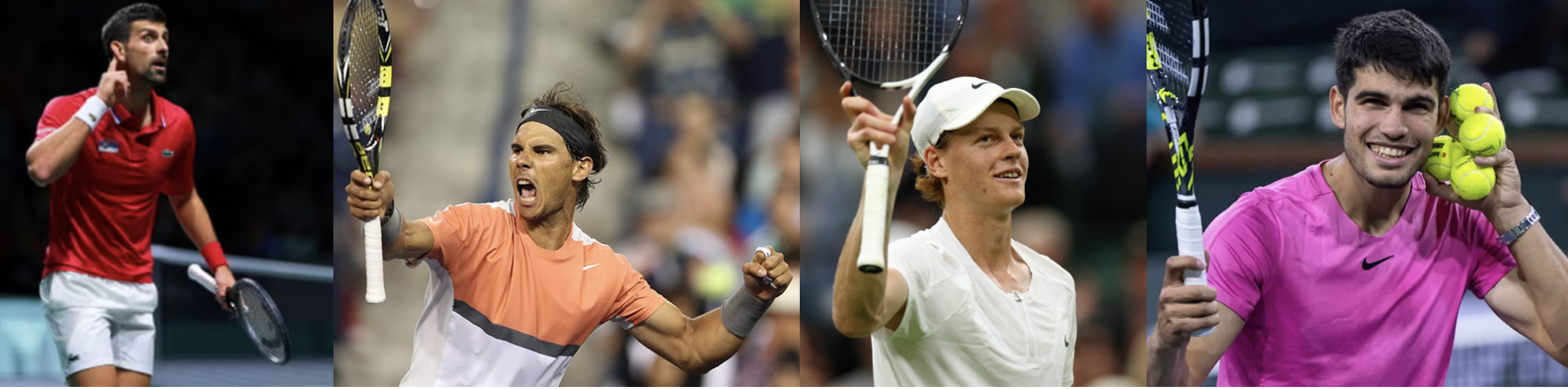
Novak Djokovic – Clutch Conversion Continues
At age 38, Novak Djokovic is not showing signs of decline in the key moments. In 2025, he is leading the ATP in break-point conversions at an elite 45.6%, converting one out of every two opportunities. This staggering stat reflects not only Djokovic’s aggressive returning but also his unmatched anticipation. In Monte-Carlo he converted seven of 10 break points in the semifinal against Holger Rune — a match that featured three tiebreak sets, all won by Djokovic. The Serbian icon remains a master of momentum swings, often turning entire matches around with one clutch return game.
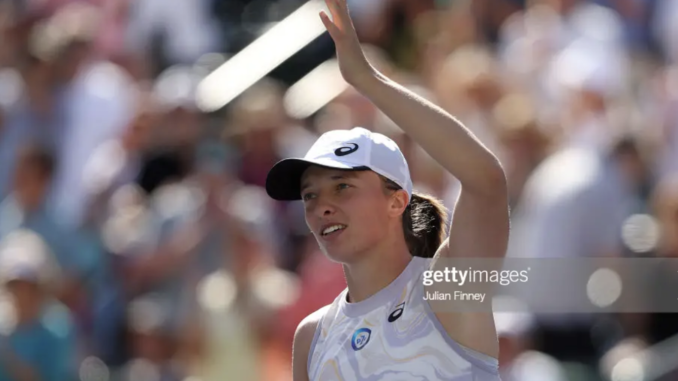
Iga Swiatek – Dominance in Tiebreaks
Iga Swiatek has once again proven her clay-court supremacy in 2025, but what sets her apart this year is her mental toughness in tiebreaks. On the red dirt, she holds a 12-2 tiebreak record, winning critical moments with razor-sharp focus. During her title run in Rome, Swiatek played five tiebreaks — dropping only one — including a nail-biting 8-6 ‘breaker against Elena Rybakina in the final. Her ability to stay composed on high-stakes points, especially when defending second serves, is a masterclass in pressure play.
Carlos Alcaraz – Rising to the Moment
Carlos Alcaraz continues to mature as a big-match player in 2025. Statistically, he has saved 68% of the break points he has faced this season — among the highest on tour. At Wimbledon, he demonstrated this mental steel by saving 14 of 16 break points in the quarterfinal against Alexander Zverev, a match that featured four tiebreak sets. Alcaraz’s combination of speed, improvisation, and fearlessness has made him an impossible nut to crack when serving under pressure.
Aryna Sabalenka – Pressure Performer Indoors
Aryna Sabalenka has always possessed power, but in 2025 she has paired it with poise. On indoor hard courts, she is boasting a 10-1 record in tiebreaks. Her most memorable clutch performance came in Stuttgart, where she edged Coco Gauff in a two-hour, 42-minute battle — winning both tiebreaks with double-fault-free aggression. Sabalenka’s improved second-serve percentages in pressure scenarios (up from 41% in 2024 to 63% in 2025) are a testament to her mental growth.
Daniil Medvedev – Consistency Under Fire
Daniil Medvedev has quietly become one of the most dependable tiebreak competitors in 2025. With a 75%-win rate in tiebreaks (15-5), he leads all ATP players who have played more than 10 tiebreaks this season. His patience and ability to grind out long rallies under pressure have frustrated opponents again and again. At the Miami Open, Medvedev won three straight tiebreak sets en route to the final, never once trailing by more than a point. Whether you are previewing matchups or browsing betting props focused on total sets or tiebreak likelihood, clutch performance stats are a useful tool.
Elena Rybakina – Breaking at the Right Time
Elena Rybakina has emerged as a hard-court threat in 2025, particularly excelling at converting break chances. With a break point conversion rate of 40.3%, she is fourth among WTA players — but first when filtered by hard court matches only. At Indian Wells, she broke serve 23 times across five matches, including a critical triple break against Swiatek in the semis. Rybakina’s return depth and calm demeanor have helped her seize momentum in tight second sets.
Jannik Sinner – Ice in His Veins
Jannik Sinner’s success in 2025 has been fueled by his ability to peak at the perfect moment. In deciding-set tiebreaks, he has posted an 11-3 record — the best among ATP top 10 players. At the Australian Open, he rallied from two sets down to beat Casper Ruud, capping it off with a pristine 10-5 match tiebreak where he did not commit a single unforced error. Sinner’s focused aggression, especially on return in tiebreak scenarios, has turned him into one of the most feared closers in men’s tennis.
Ons Jabeur – Saving the Unsaveable
Grass season 2025 has seen Ons Jabeur emerge as a wall under pressure. She has saved 70.1% of break points on grass — tops on the WTA Tour. At Eastbourne, she saved 11 of 12 break points in a semifinal thriller against Daria Kasatkina, including four in a single game late in the second set. Jabeur’s mix of drop shots and well-placed serves make her a tough puzzle when her back is against the wall.
Frances Tiafoe – Big Stage Clutch
Frances Tiafoe has created a reputation as a clutch player when the lights are brightest. In 2025, he is 9-1 in tiebreaks against top-20 opponents, with five of those wins coming in third sets. His U.S. Open campaign included back-to-back tiebreak victories against Taylor Fritz and Stefanos Tsitsipas — both decided by just two points. Tiafoe’s serve has consistently bailed him out, and his showmanship keeps the pressure from boiling over.
Jessica Pegula – Mental Fortress
Jessica Pegula has quietly delivered some of the most efficient clutch performances this year. In the third set alone, she has converted 14 of 16 break-point chances — a staggering 87.5%. At the Canadian Open, she pulled off a stunning comeback against Maria Sakkari, winning four straight games with break points in the decider. Pegula’s precise baseline plays and calm under fire make her a sleeper favorite at every major.
Mental Toughness in Numbers
The 2025 tennis season has proven that numbers tell a powerful story when they reflect moments of crisis. Stats like break point conversion and tiebreak win percentages are not just mathematical footnotes — they are the essence of competitive grit. Fans and analysts alike are digging into these figures not just to appreciate individual greatness but also to forecast outcomes, fuel debates, and identify value in predictive models.
As mental strength becomes quantifiable, the sport evolves. And in the age of data and decision-making, clutch performance has never been more celebrated — or scrutinized.
Leave a Reply